

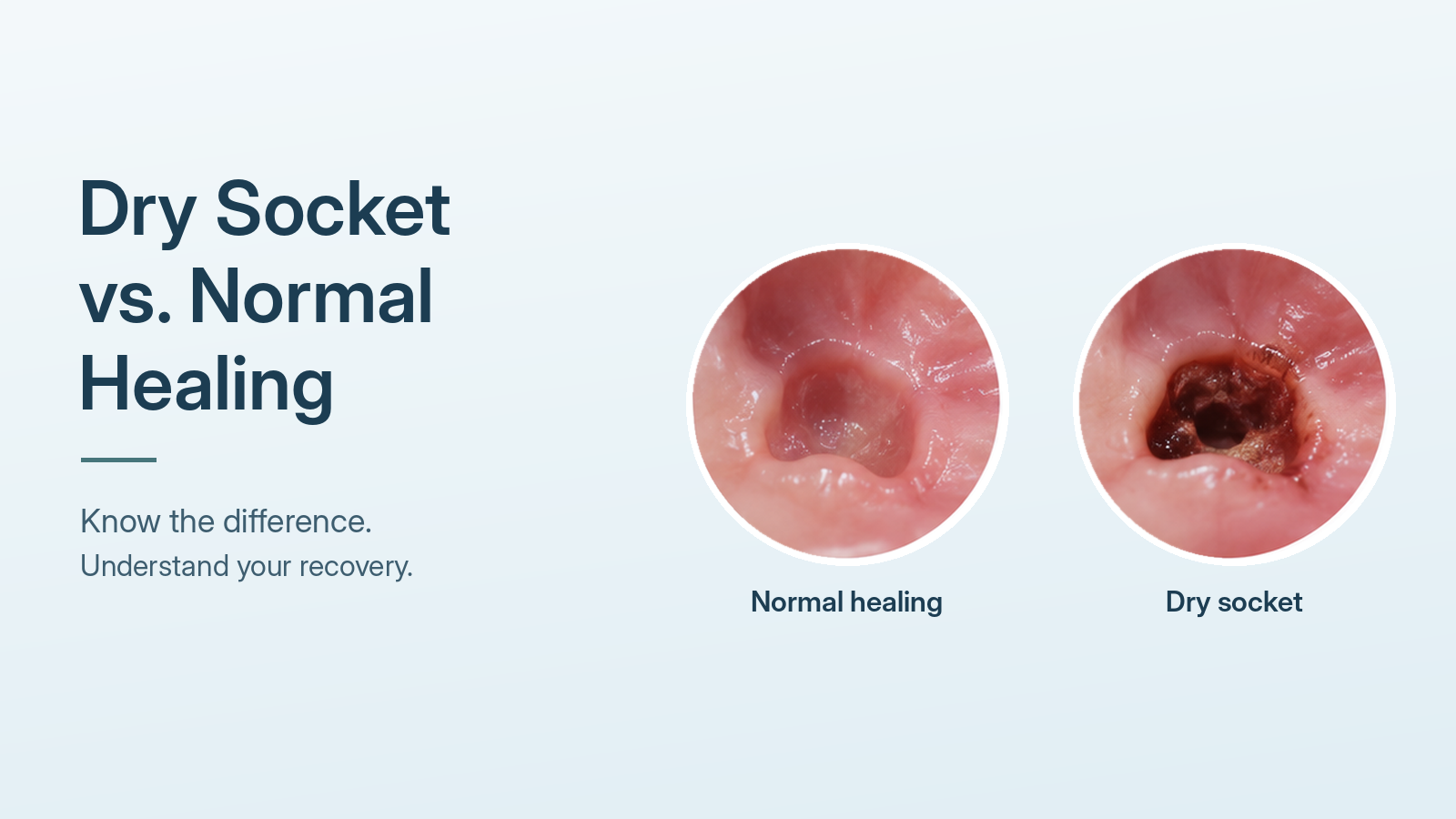
Dry Socket vs Normal Healing: When to Call After an Extraction
The appointment is over, the tooth is treated, and now you are wondering what is normal. Some tenderness is common. Sharp worsening pain, swelling, or biting pain that does not improve deserves a call. This guide explains the aftercare in normal-person language.
Pain should gradually ease after a tooth extraction. Learn the signs of dry socket, what needs an urgent call, and how to protect the healing area.
The after-root-canal phase matters because patients often feel better and forget the tooth may still need a permanent restoration.
Dry socket and normal healing can both involve discomfort after a tooth extraction. The most useful clue is the direction of the pain: expected soreness should gradually ease, while new or worsening severe pain a few days later needs a call to your dentist or oral surgeon.
You do not need to identify dry socket by looking into the hole. At Z Family Dental in Sarasota, we can check the extraction site, discuss your symptoms, and explain what care is needed. If another clinician removed the tooth, contact that office first when possible because they know the details of the procedure.
What is dry socket?
After a tooth is removed, a blood clot normally forms in the socket. It protects the underlying bone and nerves while healing begins. Dry socket, also called alveolar osteitis, happens when that clot does not form properly or is lost or breaks down too soon.
The exposed area can become very painful. Symptoms commonly begin one to three days after extraction and may spread toward the ear, temple, or nearby parts of the face. A bad taste or odor may occur too. These clues can suggest dry socket, but a dental exam is needed to confirm the cause.
Dry socket versus normal healing: what matters most?
Some tenderness and swelling can be expected after an extraction, especially after a more involved procedure. Your aftercare instructions should explain what is expected for your particular surgery. The overall trend should be toward recovery, even if every hour does not feel better than the last.
Expected recoveryGradual improvement
Soreness becomes more manageable as healing progresses.
Needs a checkNew or worsening pain
Severe pain after initial improvement can suggest dry socket or another problem.
Do not self-diagnoseAppearance alone
A photo or a white-looking area cannot reliably tell you what is happening.
Do not test the socket with a finger, toothpick, tongue, or toothbrush tip. Trying to see whether a clot is present can disturb the area. A socket that looks unusual in a mirror may still be healing, and a painful socket deserves attention even if you cannot see anything wrong.
When should I call after a tooth extraction?
Call your dentist or oral surgeon if pain starts getting worse, becomes severe, spreads toward the ear or temple, or is not controlled by the care plan you were given. Mention a bad taste, bad breath, fever, swelling, or any bleeding concerns. Do not wait for your routine follow-up if the symptoms have changed.
Fever and spreading swelling can suggest a problem beyond uncomplicated dry socket. Trouble breathing or swallowing, rapidly spreading facial or neck swelling, or heavy bleeding that will not stop needs emergency medical care. If you need a dental assessment in Sarasota, our emergency dentistry team can help you start with the right next step.
How does a dentist treat dry socket?
The dentist examines the area and may use X-rays when another cause of pain needs to be ruled out. Treatment can include gently flushing away debris, placing a medicated dressing, and recommending pain relief suited to your health history. Some patients need follow-up visits for further care or dressing changes.
Do not pack the socket yourself or use forceful irrigation unless your clinician has specifically instructed you how and when to do it. Home remedies can irritate the tissue or make the site harder to assess. Keep your scheduled checks even if treatment brings relief.
Dry socket is not automatically an infection. Antibiotics are not a substitute for examining the socket and treating the pain. Your dentist will decide whether medication is needed for a separate infection or another finding.
How to protect the extraction site while it heals
Follow the written instructions from the clinician who removed the tooth. Avoid smoking and tobacco, do not use straws during the advised recovery period, and avoid vigorous rinsing or spitting that could disturb the clot. Choose suitable soft foods and keep other teeth clean with gentle brushing.
Your instructions should tell you when to begin rinsing and whether any special cleaning is needed. Do not start poking or flushing the socket just because you saw advice online. Ask before changing prescribed medicines, including blood thinners. If you use tobacco, discuss practical support before the extraction whenever possible.
What to tell us when you call
Let us know when the tooth was removed, whether the pain first improved and then worsened, where the pain travels, and what you have taken for it. Mention swelling, fever, difficulty swallowing, or persistent bleeding right away. Those details help the team judge how quickly you need to be seen.
If you are preparing for a future extraction, ask for a clear recovery plan before you leave. Knowing how to reach the office and which changes deserve a call makes the first few days easier to navigate.
Quick questions patients ask
How can I tell dry socket from normal healing?
Normal postoperative soreness should gradually improve. Dry socket often causes new or worsening severe pain a few days after extraction, sometimes spreading toward the ear or temple. An exam is needed because symptoms and appearance can overlap with other problems.
When does dry socket usually start?
Dry-socket pain commonly begins one to three days after a tooth is removed. Timing alone cannot confirm it. Contact your dentist or oral surgeon for pain that is severe, newly develops, or gets worse instead of improving.
Is a white area in the extraction socket always dry socket?
No. Color alone is not a reliable way to diagnose healing, exposed bone, or infection. Do not scrape or poke the area to investigate. Your dentist can examine the socket if pain or other symptoms concern you.
Can I treat dry socket at home?
Home care can support healing, but suspected dry socket should be assessed by a dentist or oral surgeon. Professional treatment may include gentle flushing and a medicated dressing. Do not pack the socket with aspirin, clove oil, cotton, or other home remedies.
Do antibiotics fix dry socket?
Dry socket is not the same thing as a bacterial infection, so antibiotics are not automatically needed. Treatment usually focuses on the socket and pain control. Your dentist decides whether there is a separate infection requiring medication.
When should I seek emergency help after a tooth extraction?
Seek emergency medical care for trouble breathing or swallowing, rapidly spreading facial or neck swelling, or heavy bleeding that will not stop despite the instructions you were given. Fever, worsening swelling, or severe increasing pain also needs prompt professional advice.
Want the fastest next step?
You do not need to know the exact treatment before you book. Tell us what changed, and we will help you start with the right kind of visit.
Sources and further reading: Mayo Clinic, Dry Socket: Symptoms and Causes and Diagnosis and Treatment.
Talk with our team if you want help choosing the right next step before you book.
Z Family Dental in Sarasota, with easy booking and a team that will explain things clearly.
Use online booking when you already know you want to come in and want the fastest path forward.